Facts, figures, and financials form the basis of our narratives in financial services. Afterall, investors care about ROI. Yet, in our efforts for a compelling investment case, we often forget to build connection with the people behind the capital. How do we do this? Through stories that resonate, evoke emotion, and appeal to the head and heart.
Human interest makes the news. You only need to open a copy of the Australian Financial Review or The Australian to see that data alone is no longer enough for powerful storytelling.
As journalists compete for clicks and open rates, and readers become more pressed for time, telling the stories of real people has become an increasingly important part of financial media.
Ask any journalist, case studies are media gold! Highly sought after and terribly hard to come by. In mainstream media, they can often be make or break for a story.
A great example is our work with the Challenger Retirement Happiness Index where we complement research with real client stories
Examples of case studies in financial media are everywhere. Take the recent Federal Budget. Case studies of everyday Australians were used to cut through the noise and demonstrate real world impacts from potential changes to CGT and negative gearing.
And it is not just consumer finance and direct investor stories using this tactic. The most read industry news stories often centre on a personality, such as the AFR Monday Fundie and Fundie Q&A columns.
Can case studies work for you?
Case studies work because they are relatable – people like to see and hear from others like them, get inspired by successful investment strategies, and even compete for investment excellence.
Despite media demand, case studies are incredibly hard to source. Businesses are often hesitant to publicly spotlight clients and leaders can be sceptical of the value this strategy offers.
Yet, we find case studies are a self-fulfilling prophecy. Once the business sees first-hand the reach, engagement, and positive sentiment these stories generate, they are motivated to keep sharing positive client stories that provide independent endorsement of all their company has to offer.
If you’re working to build credibility, trust, and proof that your business delivers then case studies can work for you. They provide a hook for exclusives, offer a unique take on newsworthy topics, and provide a reason to tell your story aided by third-party endorsement.
3 steps to success
Finding case studies is undoubtedly a hard task but there are some simple ways to start the process.
- Identify the right advocate: There are so many opportunities to engage potential case studies – receiving positive feedback, meeting clients at an event, or hearing unique stories from frontline staff. The trick is knowing how to spot the opportunity and empowering staff to ask the right question.
- Build a process: Having a process to identify and progress case study opportunities is critical. We need qualifying information – name, location, age, etc. – as well as insight into their experience and permission to be contacted. Establishing a qualifying questionnaire and case study database will help staff have better conversations. Hint: Your PR team can help with this!
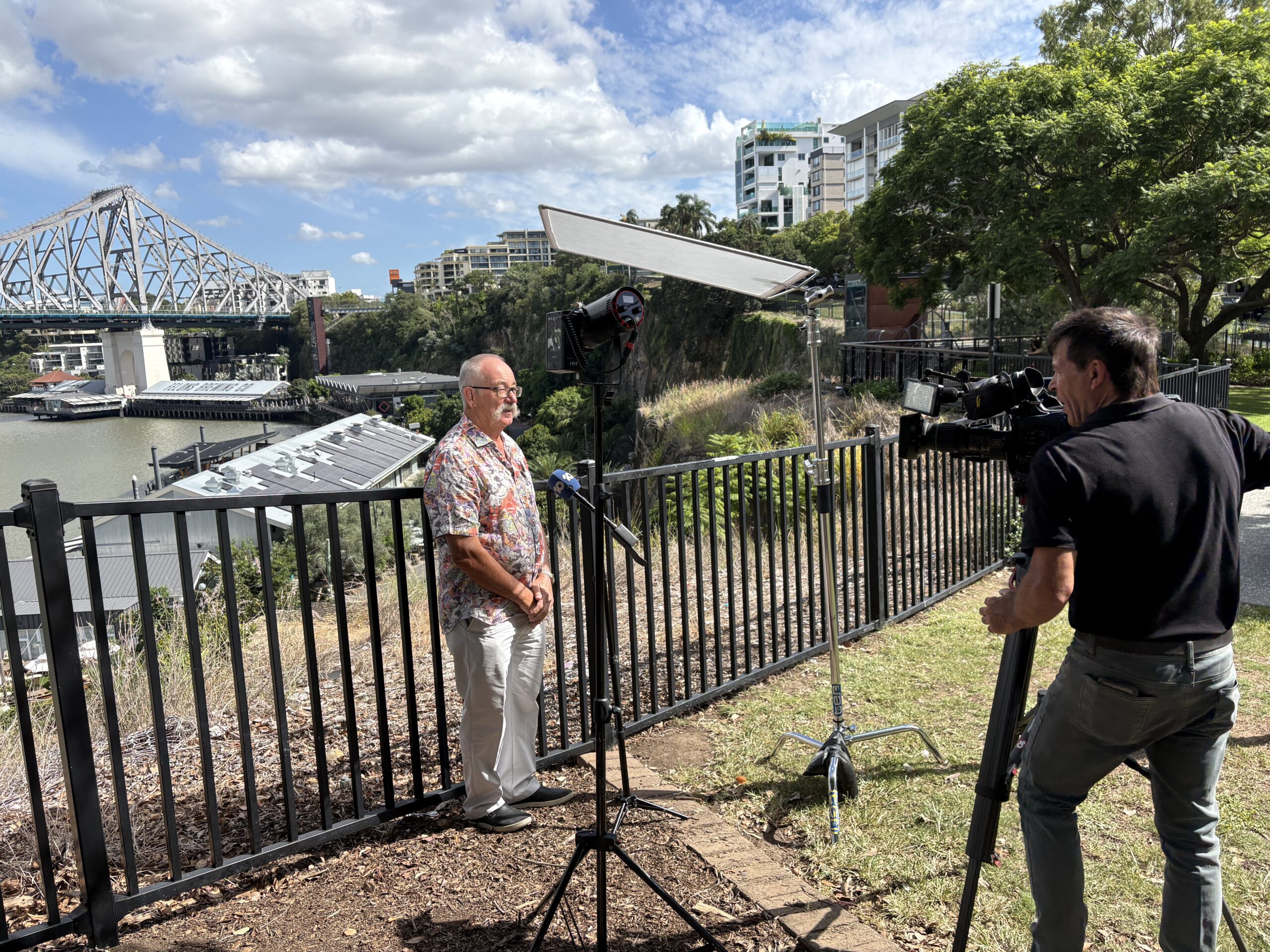
- Trust your team: Once the customer has agreed to be contacted, have the right team in place to proceed. This is where 3CPR comes in, we conduct qualifying calls with the case study directly, explain the media opportunity and process, and deep dive into their story and experiences. We act as an extension of your team, continuing to build connection, trust, and goodwill with the client while getting all we need to create the right news story.
The crucial point of difference with a media case study and customer testimonial is independence. To maintain editorial integrity, media cannot speak with case studies who have received payment or gifts for their participation (we get asked a lot!). They also cannot use deidentified clients – we need a name and face to bring the human interest!
To make headlines, secure share of voice, and feature in mainstream publications we need to deliver journalists the full package: newsworthy insights, fresh research or data points, and a powerful case study. Journalists are doing more with less at a time when attention spans are getting shorter, facts and figures are no longer enough. To make your story stand out, it’s time to lean into human interest.