Generative AI brings significant opportunities to the practice of PR and communication. It delivers efficiencies, enables faster research, and helps spark ideas and creativity.
It has also reinforced the important role of PR in brand awareness and reputation management, giving organisations new opportunities to build stakeholder trust and visibility with 84% of AI search results generated by earned media.
In short, AI is transforming the world of PR and communication.
But with all the talk about the endless possibilities, it seems the ethics of responsible AI are often lost in the conversation. To fully realise the opportunity, we need robust guardrails.
This was sharply brought to the fore for 3CPR when we launched Alphinity and CSIRO’s Responsible AI Framework, a practical framework to help investors identify and manage emerging AI risks and allocate capital responsibly.
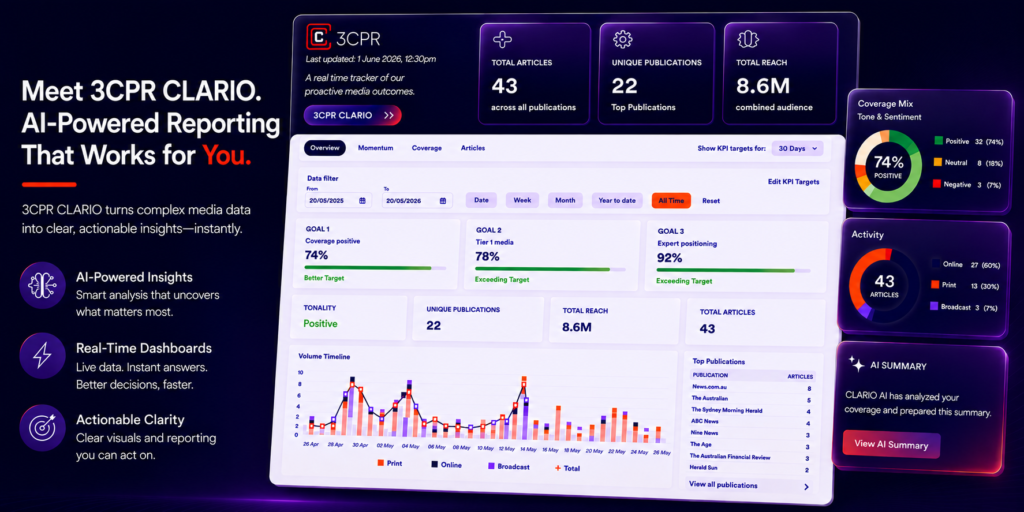
From this time, we knew our AI approach needed to be strategic and considered. For us, AI is an enabler of our success – bolstering our breadth of capabilities and enabling capacity to deliver even greater outcomes for clients. It further amplifies the benefits of our senior-led consultancy model.
The things that previously took significant time – research, reporting, presentations, and briefings – can now be done much quicker giving us time to focus on strategic outcomes that add real business value. AI is solving our pain points, not replacing our expertise.
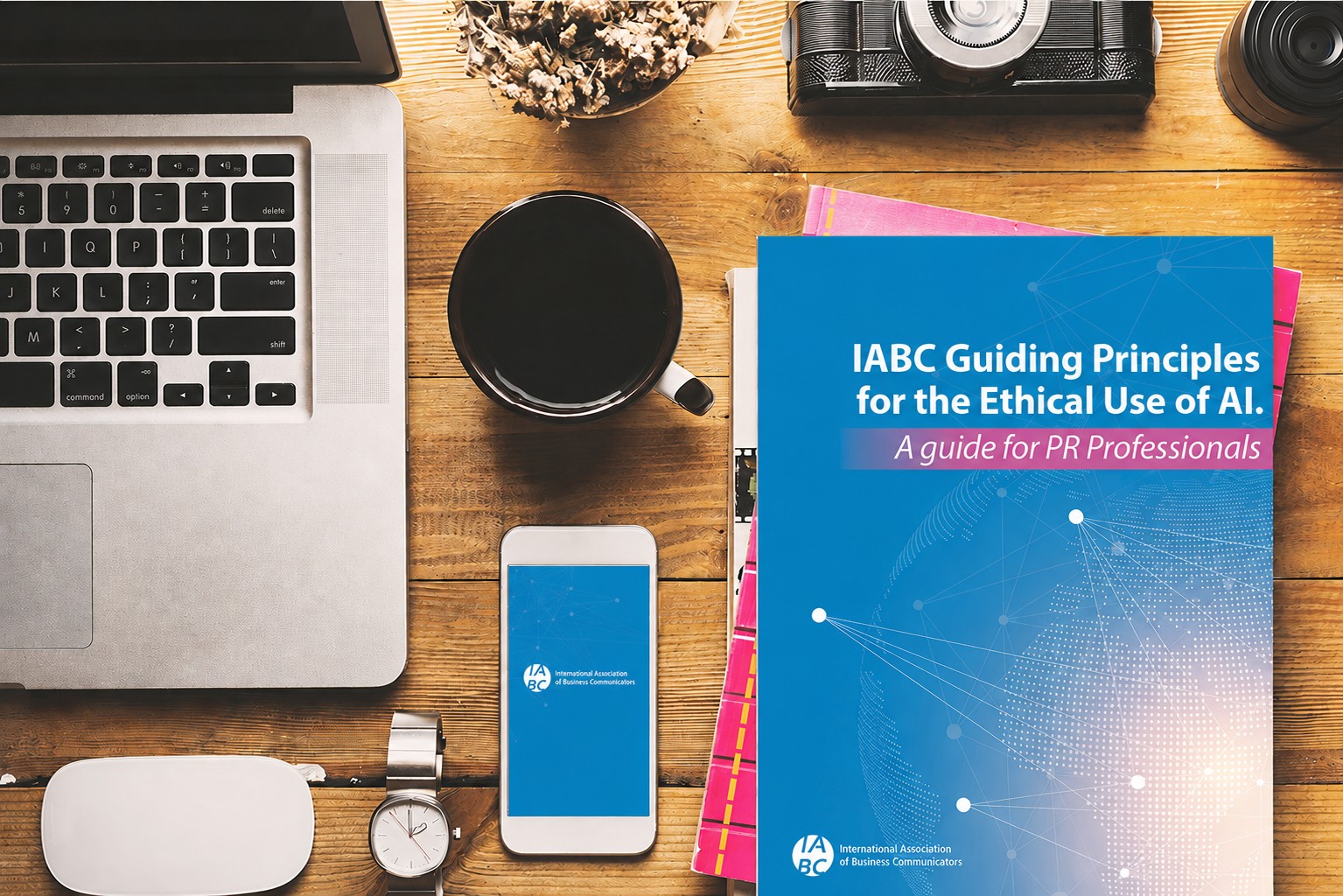
We are embracing AI intentionally, guided by the most robust global PR ethics guidelines – International Association of Business Communicators (IABC) Guiding Principles for the Ethical Use of AI by Communication Professionals.
We are committed to the open and transparent use of AI aligned to these principles:
- We communicate accurate information that is impartial and fair. AI tools may be subject to a wide array of errors, inconsistencies, and other technical issues. This requires human judgment to independently verify that AI-generated content is accurate, transparent, and not plagiarised.
- We comply with legal, regulatory, and corporate governance policies as they pertain to the communication of AI-generated information in the jurisdictions we operate.
- We do not use confidential and proprietary information within AI prompts and searches. We protect the personal and/or confidential information of others and will not use this without permission.
- We evaluate AI outputs based on human-led engagement and understanding of the communities we serve. We remove bias and are sensitive to others’ cultural values and beliefs.
- We are responsible for content generated by AI and must independently fact-check and verify outputs with the necessary professional rigor to ensure that third-party material, information, or references are accurate, have the necessary attribution and clearance, and are sufficiently licensed or have permission for use. We will not attempt to hide or disguise the use of AI in professional output.
- We do not use confidential information for AI-generated content. We acknowledge the open-source nature of AI and issues pertaining to confidentiality, including inputting false, deceptive, or misleading information.
We’re excited about the role of AI in enabling efficiencies and helping us deliver even greater outcomes for our clients, but it certainly doesn’t replace human judgement. Strategic thinking, experienced execution, and the power of trusted relationships are key to success and the domain of senior practitioners. AI is an important tool but we firmly believe it must be adopted in a transparent and consistent way.
This blog is the first in a series spotlighting how 3CPR is implementing AI in practice and the new tools we are developing for use with our clients. Stay tuned!